Respiratory System
Asthma, chronic bronchitis and sinusitis are traditional indications; medical care remains essential

A specialised Panchakarma procedure traditionally intended to address aggravated Kapha under close supervision.
Vamana is a classical Panchakarma procedure involving practitioner-controlled therapeutic emesis after preparation and careful assessment. It is a specialised intervention—not a home detox method—and must only be considered by appropriately qualified clinicians after reviewing the person’s health and risks.
These are areas traditionally discussed in relation to Vamana. Suitability and expected outcomes vary; a qualified clinician should assess individual needs.
Asthma, chronic bronchitis and sinusitis are traditional indications; medical care remains essential
Selected digestive concerns require individual assessment
Acne, eczema and psoriasis are traditional areas of use
Sleep, anxiety or mood symptoms require appropriate clinical assessment
Heart or blood-pressure conditions require particular caution
Menstrual concerns, menopause symptoms and PCOS require individual medical assessment
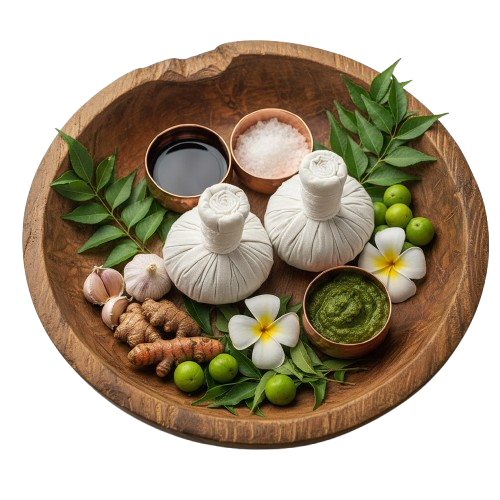
Discover a considered approach to Ayurvedic wellbeing, with care shaped around individual needs and practitioner guidance.
Potential goals to discuss with your practitioner as part of an individualised care plan.
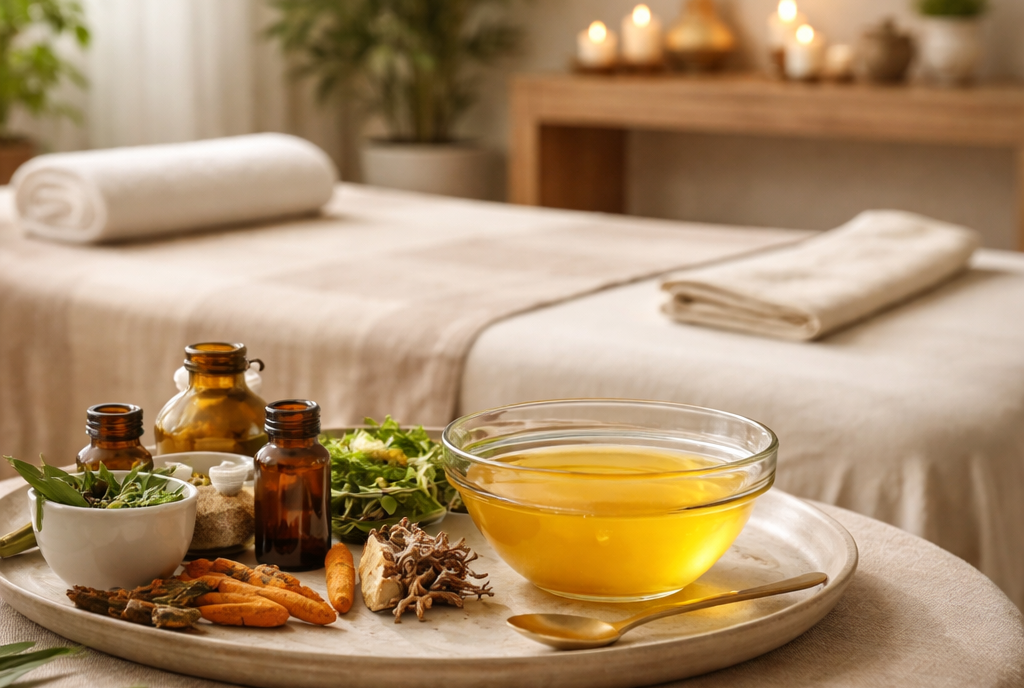
Each therapy begins with an individual assessment and a care plan guided by qualified Ayurvedic practitioners.
In traditional practice, Vamana follows preparatory steps (Purvakarma) and uses selected formulations to induce controlled vomiting under supervision. A recovery plan follows. Because the procedure can carry significant risks, it is not suitable for everyone.
At Anzee Ayurveda, any consideration of Vamana should begin with a detailed assessment and a discussion of potential benefits, risks, alternatives and medical history. Respiratory, metabolic, skin or mental-health conditions should continue to receive appropriate evidence-based care.
At Anzee Ayurveda, patient-centred care means discussing the person’s needs, health history, treatment options and aftercare before proceeding.
At Anzee Ayurveda, our approach centres on individual assessment, clear communication and a treatment plan tailored to each person. Traditional therapies should be selected carefully, with appropriate clinical oversight and realistic expectations.
These are examples of circumstances that may require avoiding, postponing or modifying treatment. The list is not exhaustive.
Answers to common questions about Vamana therapy.
Vamana is a traditional Panchakarma procedure involving controlled therapeutic emesis under qualified supervision.
Suitability depends on a detailed individual assessment. It should not be selected based only on a symptom or diagnosis.
It can cause dehydration, electrolyte disturbance, aspiration and other complications. Professional assessment and supervision are essential.
Duration varies by protocol and preparation; ask the treating clinician for the planned timeline.
A practitioner should provide monitoring and recovery instructions, including guidance on fluids, food and when to seek medical help.
Speak with a qualified practitioner to understand whether this therapy is appropriate for you.