Digestive Health
Constipation and selected digestive symptoms require clinical assessment

A traditional Ayurvedic therapy using selected medicated oils or herbal decoctions, administered by a trained practitioner.
Vasti, also commonly transliterated Basti, is a core Panchakarma therapy in classical Ayurveda. Traditional forms include oil-based and decoction-based enemas, selected according to the treatment plan. At Anzee Ayurveda, assessment and practitioner guidance are essential to determine whether a particular method is appropriate.
These are areas traditionally discussed in relation to Vasti. Suitability and expected outcomes vary; a qualified clinician should assess individual needs.
Constipation and selected digestive symptoms require clinical assessment
Musculoskeletal pain and joint conditions may be discussed as part of a broader care plan
Neurological symptoms need diagnosis and ongoing medical care
Weight, lipid, diabetes and thyroid concerns require evidence-based management
Menstrual irregularity, PCOS and menopausal symptoms require individual assessment
Skin concerns, stress and sleep symptoms may be discussed with a qualified clinician
Discover a considered approach to Ayurvedic wellbeing, with care shaped around individual needs and practitioner guidance.
Potential goals to discuss with your practitioner as part of an individualised care plan.
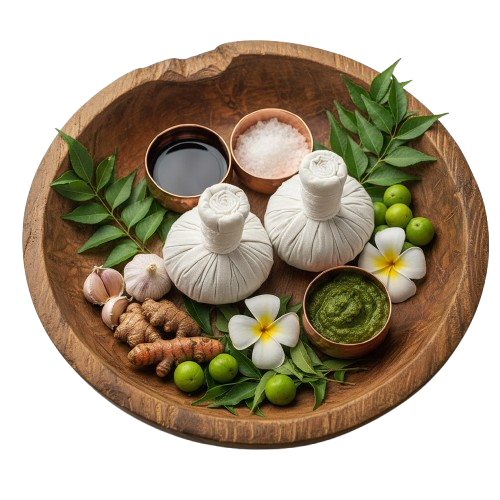
Each therapy begins with an individual assessment and a care plan guided by qualified Ayurvedic practitioners.
Preparatory measures may include Abhyanga (oil massage) and Swedana (sudation), depending on the plan. Traditional forms include Anuvasana or Sneha Vasti (oil-based), Niruha or Kashaya Vasti (decoction-based), and Uttarbasti, a specialised procedure that requires specific clinical expertise.
Vasti is not suitable for everyone and should not be self-administered. The practitioner needs to consider symptoms, medications, pregnancy status, bowel or rectal conditions, recent procedures and other relevant health factors.
At Anzee Ayurveda, patient-centred care means discussing the person’s needs, health history, treatment options and aftercare before proceeding.
At Anzee Ayurveda, our approach centres on individual assessment, clear communication and a treatment plan tailored to each person. Traditional therapies should be selected carefully, with appropriate clinical oversight and realistic expectations.
These are examples of circumstances that may require avoiding, postponing or modifying treatment. The list is not exhaustive.
Answers to common questions about Vasti therapy.
Traditional types include Anuvasana or Sneha Vasti (oil-based), Niruha or Kashaya Vasti (decoction-based), and Uttarbasti, a specialised urogenital procedure.
Traditional indications vary by type and individual. Claims for specific diseases should be discussed carefully with a qualified clinician.
The number and frequency depend on the selected protocol and individual assessment.
Discomfort, irritation, infection or other complications can occur, particularly if performed incorrectly or in unsuitable circumstances.
Follow the practitioner’s instructions, which depend on the procedure and your response.
Do not self-administer medicated enemas or specialised Vasti procedures without direct guidance from a qualified clinician.
Speak with a qualified practitioner to understand whether this therapy is appropriate for you.